Our expertise
Making participation purposeful.
We work with two kinds of clients: people who organize live events, and people who deliver people-skills workshops and training. Both depend on what participants do, discuss and discover together.
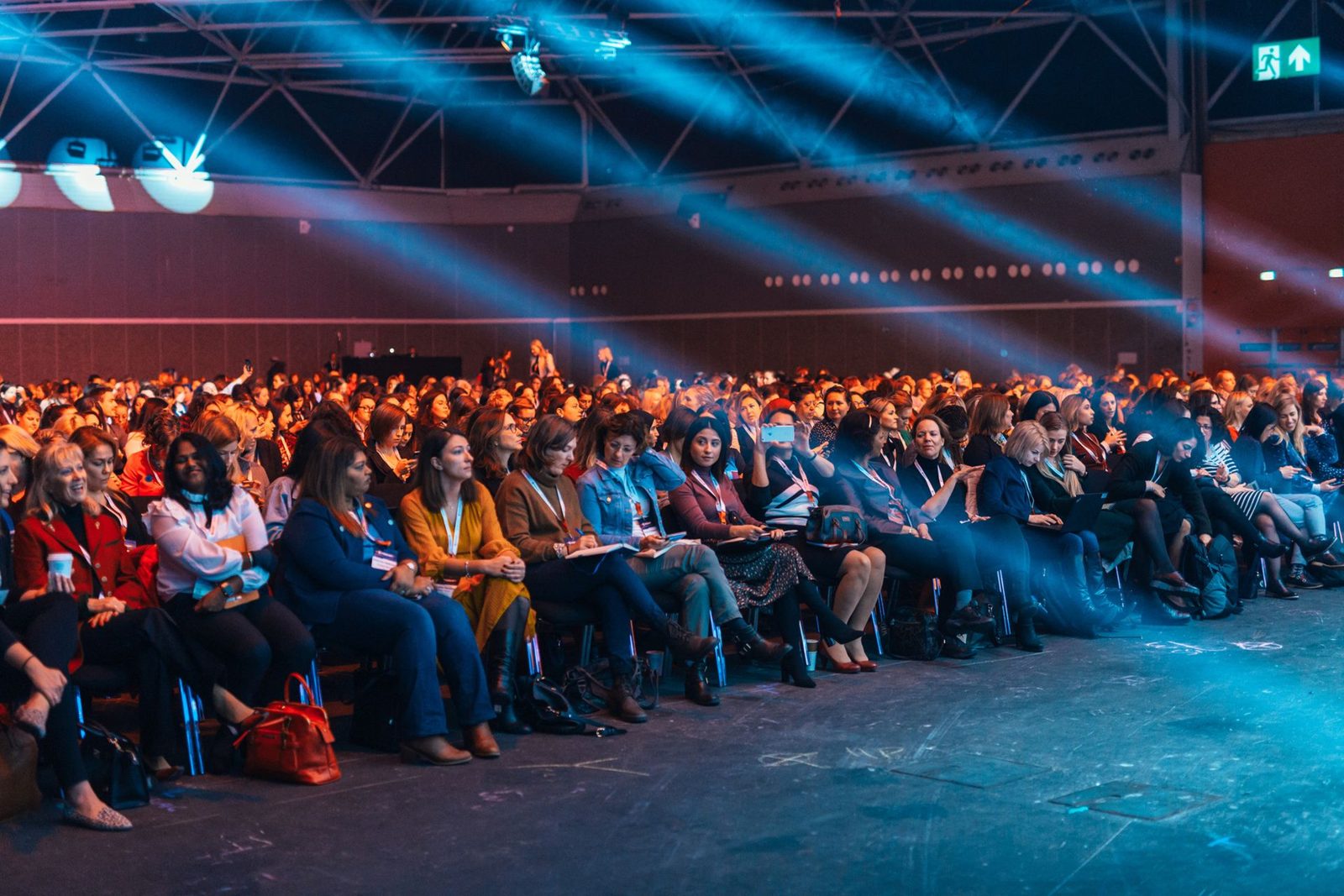
The common ground
What people do together shapes the experience.
Information can be delivered exceptionally well and still leave few opportunities for people to engage with it. We look for the moments when an audience can become participants: through questions, discussion, decisions, exploration or practice.
Our role is not to replace your event or your instruction. It is to strengthen what people experience within it.
01For event organizers
Give people a reason to get involved.
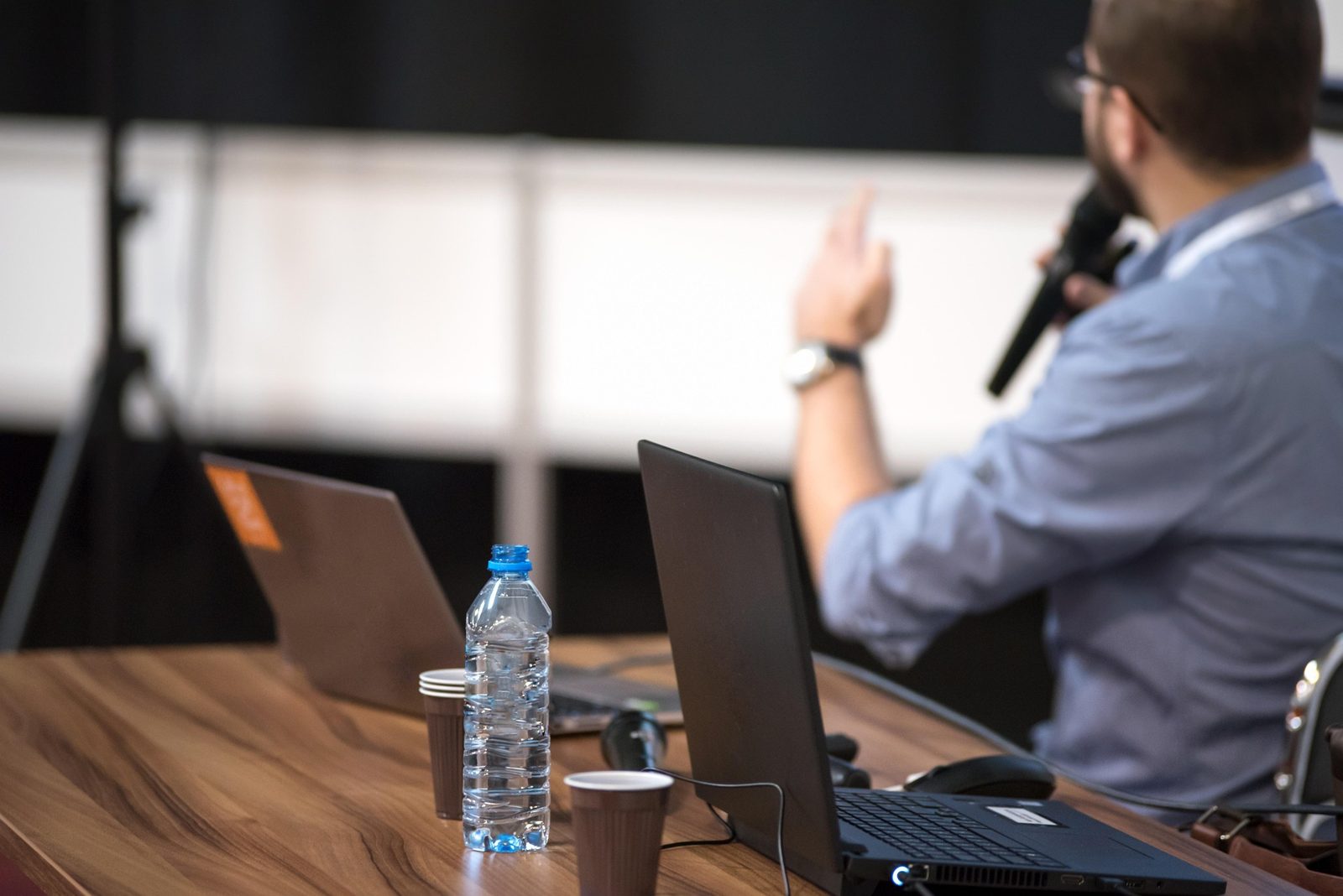
Conferences, association meetings, corporate events, and live and virtual experiences bring together people, ideas and organizations. We find where purposeful participation can make the occasion more relevant, more connected and more useful, and give sponsors something concrete to show for their support.
Where we can make a difference
02For workshop and training providers
Make room for learning to become practice.
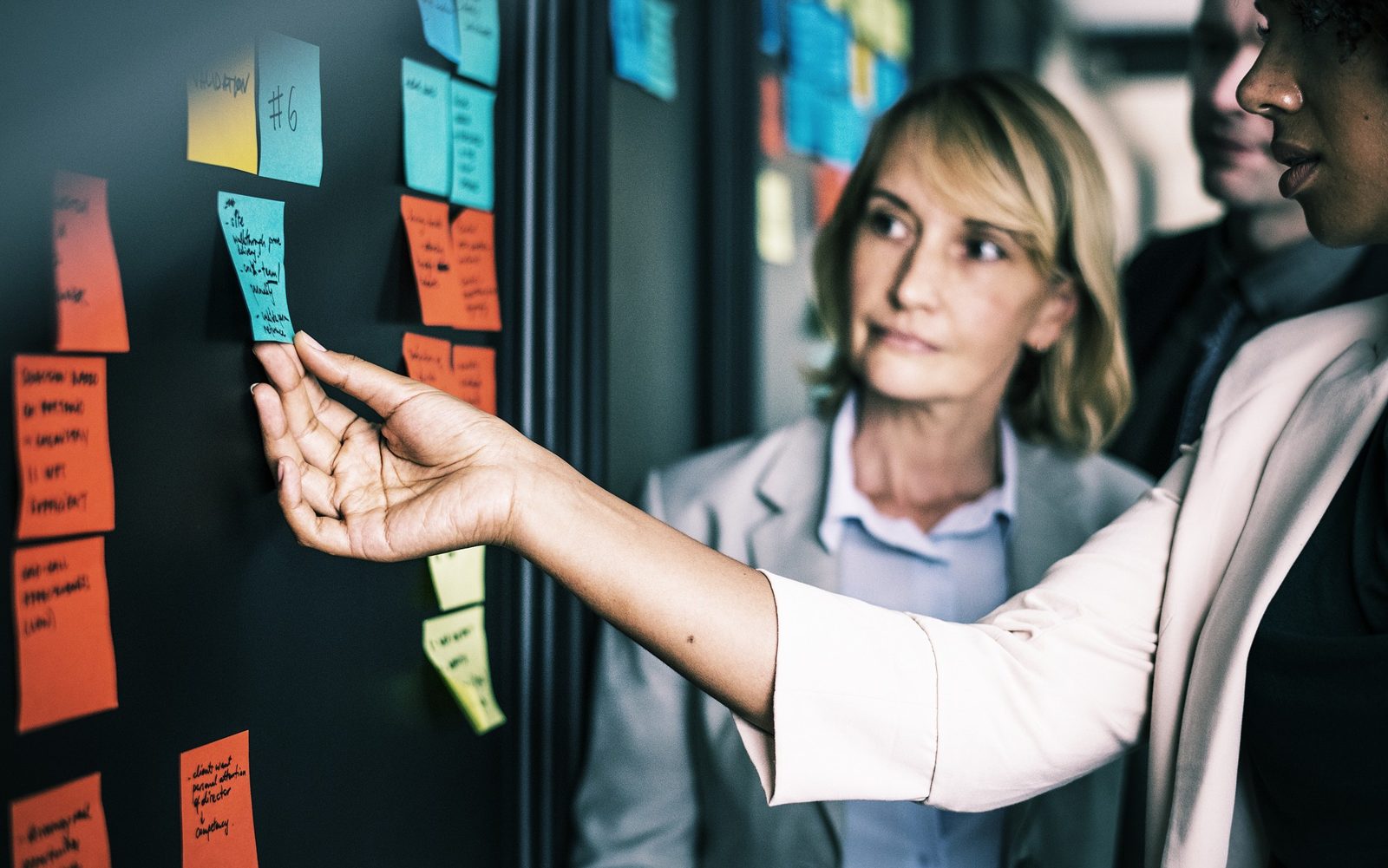
Communication, collaboration, leadership and conduct at work are shaped by the choices people make with others. We help workshop providers turn concepts into situations participants can interpret, discuss and practice.
We work behind your program, under your brand. Your client relationship stays yours.
Where we can make a difference
Our method · iLEED
Seven decisions. Made in order. Tested with real people.
iLEED (interactive Live Event Engagement Design) begins with the change you want, not with an activity, a game or a platform. To iLEED, any occasion where people come together is an event: a conference, a workshop, a virtual or hybrid meeting, or an on-demand experience people complete in their own time.
- 01
Outcome
What should change for participants, and for you?
- 02
Context
What realities must the design respect?
- 03
Action
What should people actually do?
- 04
Interaction
What experience will lead them to do it, and give it meaning?
- 05
Motivation
Why will people choose to take part?
- 06
Enablement
What is the lightest system that makes it work?
- 07
Evidence
What will show that it worked?
Then, every time
Prototype → Observe → Learn → Revise
A design is not complete until it works for real participants.
A different way of thinking
What iLEED changes.
Flexible by design
One moment, or a longer journey.
Engagement can start before an event or workshop, take shape during it, and continue afterward. It does not have to cover every stage to be worthwhile.
One well-designed activity, placed where it matters most, can be the right solution.
Introduce the content, build interest and encourage early connections.
Investigate, collaborate, discuss, decide and practice.
Revisit ideas, sustain relationships and support application.
Start a conversation
Where could participation make a difference?
If you are planning a live event, developing a people-skills workshop, or exploring how to make an experience more participatory, let's discuss what you are trying to accomplish.
Start a Conversation ↗